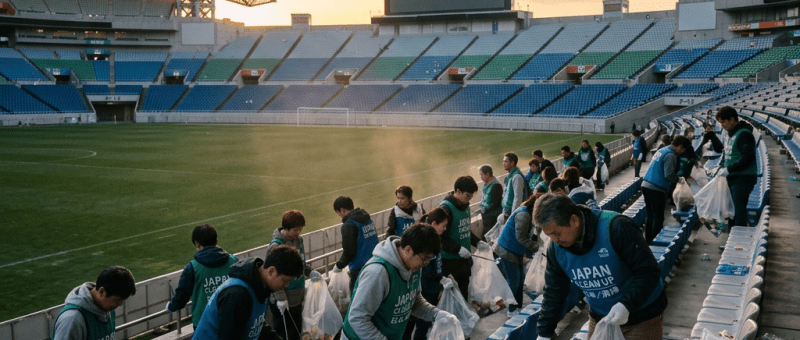
The ongoing football tournament is expected to generate 34,000 additional tons of waste in Mexico, equivalent to three days of waste in CDMX. While manageable, it highlights the need for improved recycling practices. Both private gatherings and public venues should implement waste separation to promote recycling during events, particularly in stadiums.
Etiqueta: reciclaje
El papel crucial de los pepenadores en la economía circular
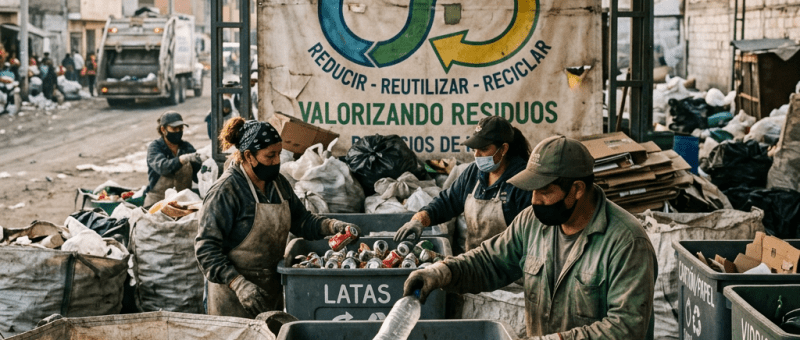
The term "pepenador," referring to informal waste pickers in Mexico, is gaining recognition for its positive roots. Despite working in marginalized conditions, they play a vital role in recycling and waste management, impacting the economy and environment significantly. Formalizing their work and incorporating them into waste policies could enhance both their lives and recycling efficiency.
Economía Circular en el Mundial: Una Oportunidad Verde
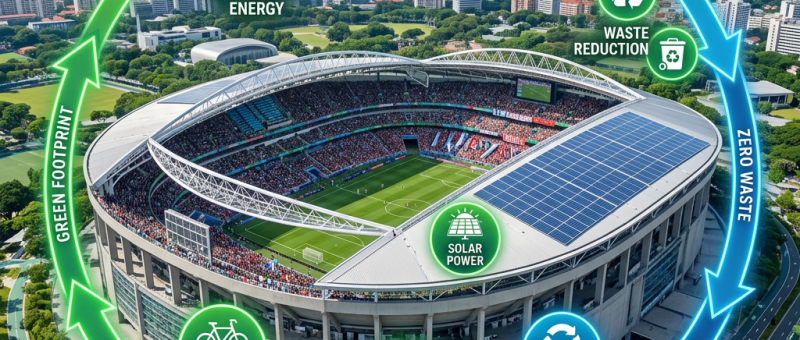
The World Cup countdown has begun, raising environmental concerns due to increased waste and energy consumption from fans. Implementing circular economy practices, such as reducing, reusing, and recycling, can mitigate this impact. Improved waste management, responsible consumption, and shared mobility during the event can help promote sustainability and leave a lasting positive legacy.
El Unicel Transformado: Nuevos Usos en Electrónica
Expanded polystyrene, or unicel, is being transformed into high-value electronic materials via a process called upcycling. Researchers from the University of Delaware developed a method to convert unicel into a conductive polymer, demonstrating its potential in solar panels and biomedical sensors. This innovation promotes sustainability and reduces waste while enhancing economic possibilities.
Desde televisores a corazones: todo lo que protege el unicel
Todo lo que podemos perder cuando se habla de prohibir el unicel en empaques no es menor: eficiencia logística, seguridad alimentaria, accesibilidad económica y, paradójicamente, avances en sostenibilidad. En el debate público, el poliestireno expandido (EPS), conocido comúnmente como unicel, suele aparecer reducido a una etiqueta simplista de “plástico de un solo uso”. Sin embargo,…
Innovaciones en Reciclaje: Más Allá de Prohibir
The text discusses the implications of banning materials like polystyrene in the context of circular economy and recycling. It emphasizes that prohibitions stifle innovation and the development of recycling technologies, while effective regulations can foster advancements. The focus should be on creating infrastructure and market demand for recyclable materials rather than outright bans.
Mujeres que transforman la sostenibilidad
On International Women's Day, it's vital to acknowledge the intertwining struggles for social justice and environmental protection. Six women—Rachel Carson, Wangari Maathai, Jane Goodall, Gro Harlem Brundtland, Berta Cáceres, and Julia Carabias—have profoundly transformed our relationship with nature through their leadership, activism, and contributions, inspiring ongoing efforts for a sustainable future.
Impacto de la Ley de Economía Circular en México
On January 19, Mexico's General Law of Circular Economy was published, marking a significant step in environmental reform and positioning Mexico in the global circular economy discussion. Central to the law is the Extended Producer Responsibility model, which obliges manufacturers to ensure product recovery. Successful implementation requires improved communication, infrastructure, and education among industries, governments, and society.
Economía Circular en Casa: Guía Práctica para Reducir Residuos
Hablar de economía circular suele remitir a fábricas, grandes cadenas de suministro o políticas públicas. Sin embargo, la circularidad también empieza en casa. Las decisiones cotidianas —qué compramos, cómo lo usamos, cómo lo separamos y a dónde lo entregamos— pueden marcar una diferencia real en la cantidad de residuos que terminan en rellenos sanitarios y…
Por qué la economía circular va más allá del “no se puede”
The post critiques the reliance on prohibitions as an environmental strategy, arguing that such measures often overlook systemic complexities and can lead to undesirable outcomes. It advocates for a circular economy approach, emphasizing design, innovation, and collaboration among stakeholders. This method prioritizes sustainable resource management over simplistic prohibitive actions.