¿Qué tal el árbitro del reciclaje?
People recycling plastic bottles and cans into designated bins at a game day recycling event

The ongoing football tournament is expected to generate 34,000 additional tons of waste in Mexico, equivalent to three days of waste in CDMX. While manageable, it highlights the need for improved recycling practices. Both private gatherings and public venues should implement waste separation to promote recycling during events, particularly in stadiums.

El papel crucial de los pepenadores en la economía circular

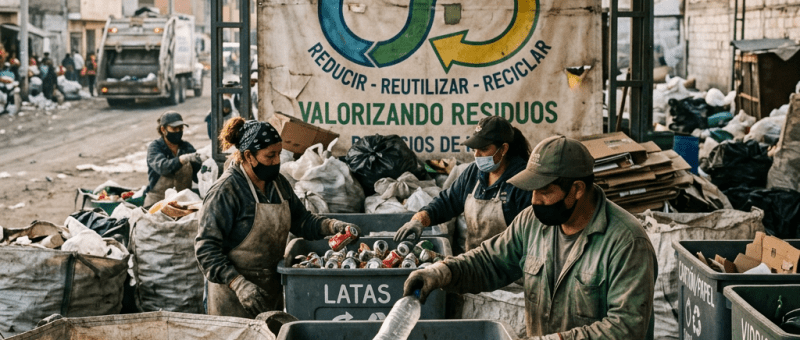
People sorting plastic bottles and cans for recycling at a waste collection site with a circular economy banner

The term "pepenador," referring to informal waste pickers in Mexico, is gaining recognition for its positive roots. Despite working in marginalized conditions, they play a vital role in recycling and waste management, impacting the economy and environment significantly. Formalizing their work and incorporating them into waste policies could enhance both their lives and recycling efficiency.

Economía Circular en el Mundial: Una Oportunidad Verde

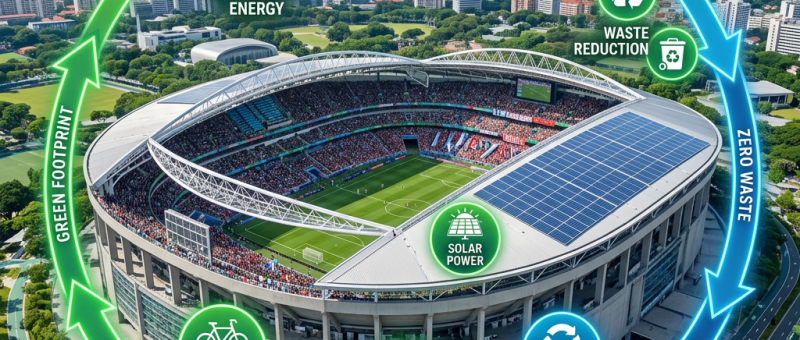
Stadium with solar panels and icons for renewable energy, water recycling, waste reduction, solar power, sustainable transport, zero waste, green footprint, circular economy, and circular waste

The World Cup countdown has begun, raising environmental concerns due to increased waste and energy consumption from fans. Implementing circular economy practices, such as reducing, reusing, and recycling, can mitigate this impact. Improved waste management, responsible consumption, and shared mobility during the event can help promote sustainability and leave a lasting positive legacy.

Desde televisores a corazones: todo lo que protege el unicel

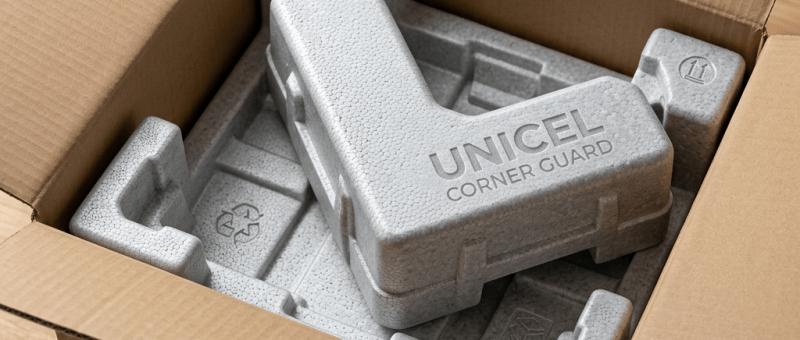
Transparent corner guard labeled UNICEL on the corner of a TV screen

Todo lo que podemos perder cuando se habla de prohibir el unicel en empaques no es menor: eficiencia logística, seguridad alimentaria, accesibilidad económica y, paradójicamente, avances en sostenibilidad.  En el debate público, el poliestireno expandido (EPS), conocido comúnmente como unicel, suele aparecer reducido a una etiqueta simplista de “plástico de un solo uso”. Sin embargo,…

Impacto de la Ley de Economía Circular en México

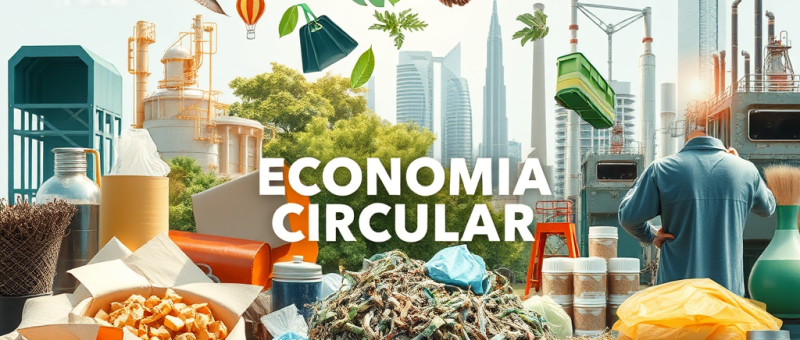
On January 19, Mexico's General Law of Circular Economy was published, marking a significant step in environmental reform and positioning Mexico in the global circular economy discussion. Central to the law is the Extended Producer Responsibility model, which obliges manufacturers to ensure product recovery. Successful implementation requires improved communication, infrastructure, and education among industries, governments, and society.

Habemus Ley General de Economía Circular… y se ve bien

La aprobación de la nueva Ley General de Economía Circular (LGEC) representa un avance histórico en la gestión de residuos en México, promoviendo la recuperación y el reciclaje. La ley establece un marco regulatorio que fomenta la colaboración entre todos los niveles de gobierno y la educación sobre el consumo responsable, sentando las bases para una economía circular sostenible.