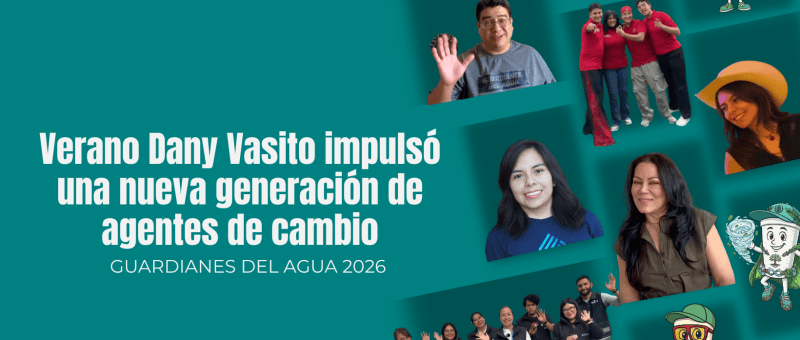
Por Gerardo Pedra Rocha Corría el caluroso verano de cierto año que no voy a revelar. Yo tenía nueve años, una imaginación desbordante y una manguera de jardín sin supervisión. En mi mente, la ecuación era perfectamente lógica: si un charco pequeño era divertido, llenar todo el patio de la casa hasta convertirlo en un…
Autor: cuentamedelunicel
La sequía se detuvo… por ahora
Es algo que no se comenta mucho, pero el país vivió un periodo de sequía bastante severo entre marzo de 2022 y octubre de 2025. Según los datos de Conagua, el momento más severo fue en 2023, cuando realmente llovió muy por debajo del promedio histórico. Las cosas mejoraron mucho el año pasado, incluso arriba…
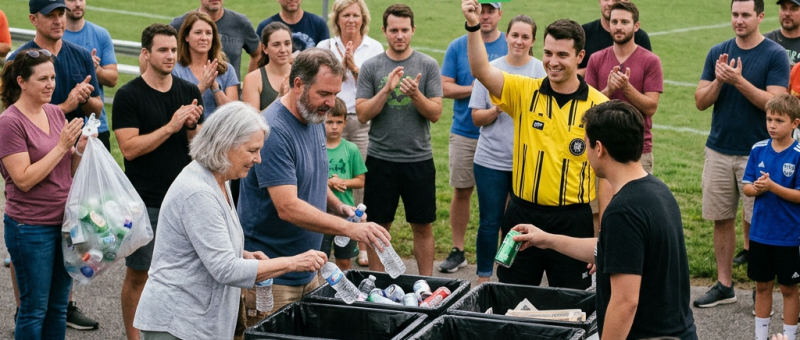
¿Qué tal el árbitro del reciclaje?
The ongoing football tournament is expected to generate 34,000 additional tons of waste in Mexico, equivalent to three days of waste in CDMX. While manageable, it highlights the need for improved recycling practices. Both private gatherings and public venues should implement waste separation to promote recycling during events, particularly in stadiums.
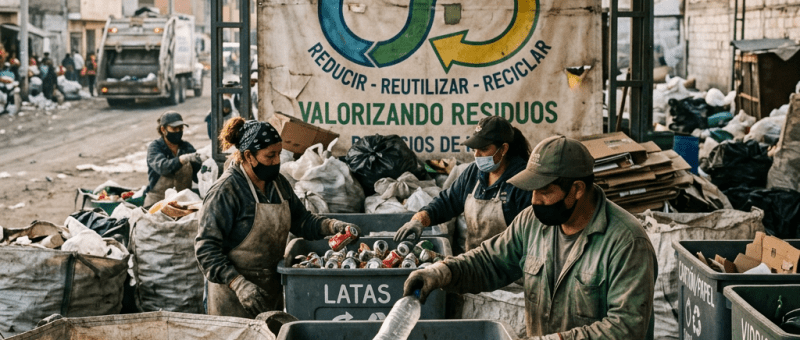
El papel crucial de los pepenadores en la economía circular
The term "pepenador," referring to informal waste pickers in Mexico, is gaining recognition for its positive roots. Despite working in marginalized conditions, they play a vital role in recycling and waste management, impacting the economy and environment significantly. Formalizing their work and incorporating them into waste policies could enhance both their lives and recycling efficiency.
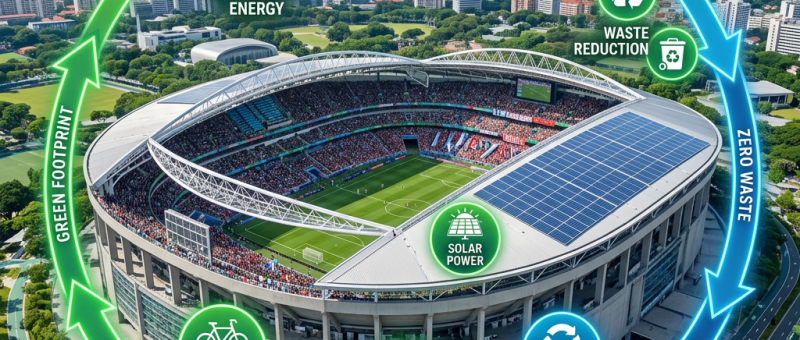
Economía Circular en el Mundial: Una Oportunidad Verde
The World Cup countdown has begun, raising environmental concerns due to increased waste and energy consumption from fans. Implementing circular economy practices, such as reducing, reusing, and recycling, can mitigate this impact. Improved waste management, responsible consumption, and shared mobility during the event can help promote sustainability and leave a lasting positive legacy.
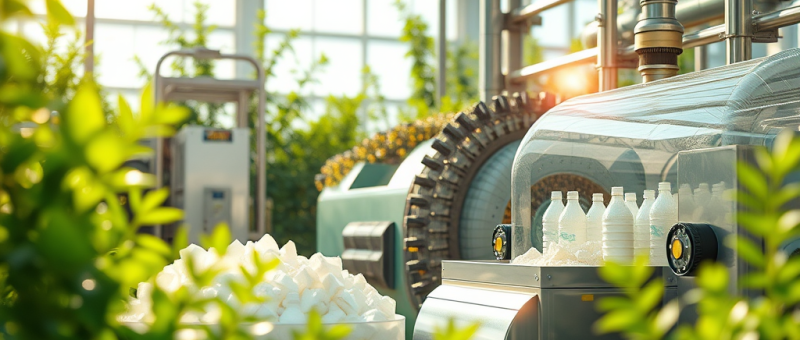
El Unicel Transformado: Nuevos Usos en Electrónica
Expanded polystyrene, or unicel, is being transformed into high-value electronic materials via a process called upcycling. Researchers from the University of Delaware developed a method to convert unicel into a conductive polymer, demonstrating its potential in solar panels and biomedical sensors. This innovation promotes sustainability and reduces waste while enhancing economic possibilities.
Innovaciones en Reciclaje: Más Allá de Prohibir
The text discusses the implications of banning materials like polystyrene in the context of circular economy and recycling. It emphasizes that prohibitions stifle innovation and the development of recycling technologies, while effective regulations can foster advancements. The focus should be on creating infrastructure and market demand for recyclable materials rather than outright bans.
Impacto de la Ley de Economía Circular en México
On January 19, Mexico's General Law of Circular Economy was published, marking a significant step in environmental reform and positioning Mexico in the global circular economy discussion. Central to the law is the Extended Producer Responsibility model, which obliges manufacturers to ensure product recovery. Successful implementation requires improved communication, infrastructure, and education among industries, governments, and society.
Tres familias en economía circular
In Mexico, local governments are encouraging waste separation among residents. The implementation of the Zero Waste Program in Mexico City aims to enforce stricter regulations. Various families are adopting circular economy practices, motivated by logistics and community issues, rather than environmental concerns, indicating a diverse approach to waste management across regions.
Economía Circular en Casa: Guía Práctica para Reducir Residuos
Hablar de economía circular suele remitir a fábricas, grandes cadenas de suministro o políticas públicas. Sin embargo, la circularidad también empieza en casa. Las decisiones cotidianas —qué compramos, cómo lo usamos, cómo lo separamos y a dónde lo entregamos— pueden marcar una diferencia real en la cantidad de residuos que terminan en rellenos sanitarios y…